 TutorialKart.com
How to Activate Applications in a Client in SAP GRC
The Activate Applications in Client configuration determines which SAP Governance, Risk, and Compliance applications are enabled in a specific SAP client. Depending on the licensed and implemented components, you can activate Access Control, Process Control, Risk Management, or a combination of these applications.
The available SAP GRC applications commonly include:
- AC – Access Control
- PC – Process Control
- RM – Risk Management
Activate only the applications that are included in the implementation scope. The selections should match the installed SAP GRC components, client design, licensing, and project requirements.
SAP GRC Prerequisites Before Activating Client Applications
Before maintaining the application activation entries, confirm that the SAP GRC system has been installed and that you are working in the correct client. You should also have authorization to open SAP Customizing and save changes.
Typical post-installation SAP GRC configuration activities include:
- How to configure & test RFC connections
- Activate the applications in the client
- Activating the services
- Perform automatic workflow customizing
- Define business process & Sub business process
SAP IMG Path for Activate Applications in Client
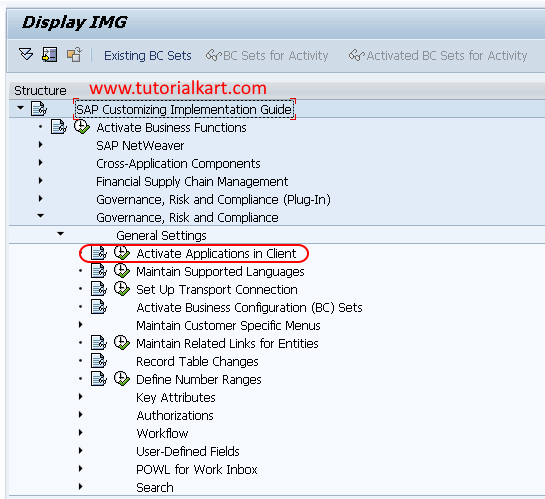
- SAP Path: SPRO > SAP Reference IMG > Governance Risk & Compliance > General Settings > Activate Applications in Client.
This setting is maintained separately in each relevant SAP client. Verify the client number before creating or changing entries.
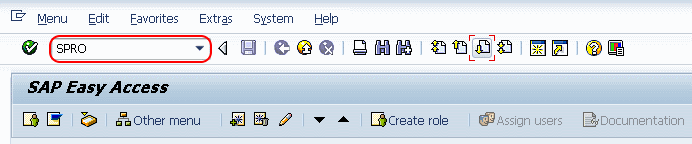
Step 1: Open SAP GRC Customizing with Transaction SPRO
Enter transaction code SPRO in the SAP command field and press Enter.
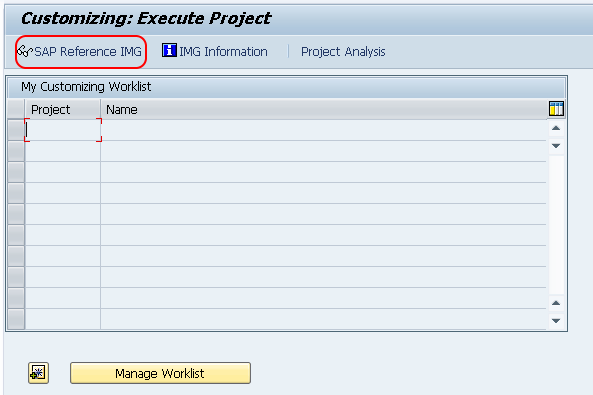
Step 2: Open the SAP Reference IMG
On the Customizing screen, choose SAP Reference IMG to display the complete SAP implementation guide.
Step 3: Navigate to Activate Applications in Client
Expand Governance, Risk and Compliance, then expand General Settings. Open the activity Activate Applications in Client.
Step 4: Create SAP GRC Application Entries for the Client
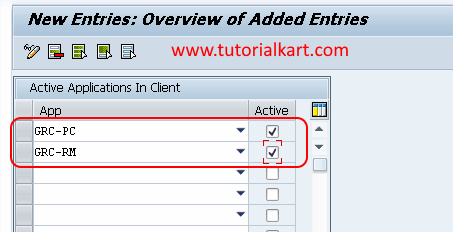
In the Activate Applications in Client overview, review the existing entries before making changes. Choose New Entries when the required application is not already listed.
In this example, the GRC Access Control application is already configured. Therefore, new entries are created only for Process Control and Risk Management.
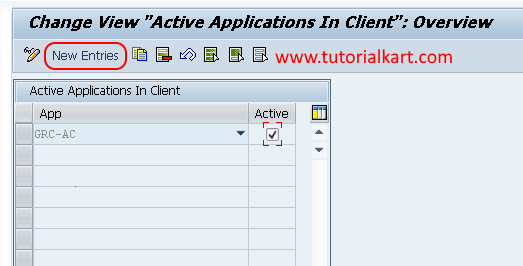
Step 5: Select AC, PC, or RM and Mark Each Application Active
Select the required application from the application drop-down list. Create one row for each application that must be enabled in the current client, and select the Active checkbox for every required entry.
For example, a client that uses all three SAP GRC applications may contain separate active rows for AC, PC, and RM. Do not create duplicate entries for an application that is already present.
Step 6: Save the SAP GRC Client Application Settings
Choose the Save icon to store the configuration. If the system requests a Customizing transport request, assign the change according to your organization’s transport procedure.
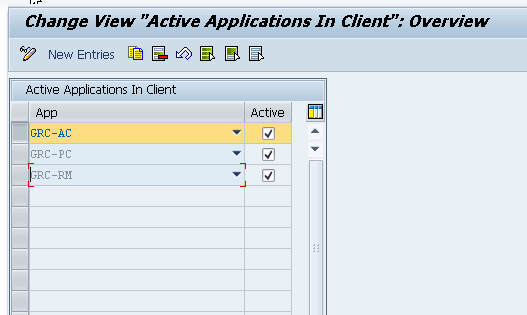
After saving, return to the overview and confirm that the required applications appear with the Active indicator selected.
How to Verify SAP GRC Applications Are Active in the Client
Reopen the Activate Applications in Client activity and verify the following:
- Each required application has a separate entry.
- The Active checkbox is selected for every application in scope.
- No duplicate AC, PC, or RM rows exist.
- The configuration was saved in the intended SAP client.
- The related RFC destinations, services, workflows, and application-specific settings are completed as required.
Activating an application in this view enables the application for the client, but it does not replace the remaining technical and functional configuration. Continue with the relevant settings for Access Control, Process Control, or Risk Management.
When Activate Applications in Client Is Missing from SAP GRC IMG
If the Activate Applications in Client activity is not visible, first confirm that you are using the expected SAP GRC system, release, and client. Also verify that the required SAP GRC software components and support packages are installed.
Other points to check include:
- Whether the SAP Reference IMG rather than a restricted project IMG was opened.
- Whether the user has sufficient authorization to display and maintain the activity.
- Whether the IMG structure differs for the installed SAP GRC release.
- Whether the intended GRC application component is available in the system.
- Whether relevant SAP Notes or installation post-steps apply to the environment.
Do not manually create configuration entries in underlying tables unless the procedure is explicitly supported for the installed release. Use the documented IMG activity or an approved SAP correction procedure.
Common SAP GRC Client Activation Errors
- Maintaining the wrong client: the activation is client-specific, so confirm the current client before saving.
- Activating applications outside the project scope: enable only the applications that are installed, licensed, and required.
- Creating duplicate entries: review the overview before choosing New Entries.
- Leaving the Active checkbox clear: selecting an application without marking it active does not complete the activation.
- Assuming activation completes the implementation: RFCs, ICF services, workflow settings, connectors, jobs, and application-specific configuration may still be required.
SAP GRC Activate Applications in Client FAQs
Which applications can be activated in an SAP GRC client?
The commonly listed applications are Access Control (AC), Process Control (PC), and Risk Management (RM). The available choices depend on the installed SAP GRC release and components.
Is SAP GRC application activation client-specific?
Yes. The configuration is maintained for the current SAP client. Repeat or transport the configuration according to the landscape and client strategy.
Should AC, PC, and RM always be activated together?
No. Activate only the applications included in the implementation scope and supported by the installed components. A system may use one, two, or all three applications.
Why is Activate Applications in Client not visible in SPRO?
The activity may be unavailable because of the installed release, missing software components, a restricted IMG view, or insufficient authorization. Verify the system installation and consult the documentation applicable to the installed SAP GRC version.
What should be configured after activating SAP GRC applications?
Complete the remaining technical and functional setup for the selected applications. This may include RFC connections, ICF services, workflow customizing, connectors, background jobs, business processes, roles, and application-specific configuration.
Editorial QA Checklist for SAP GRC Client Application Activation
- Confirm that the SPRO path matches the SAP GRC release shown in the screenshots.
- Verify that AC, PC, and RM are described as separate application choices rather than mandatory combined selections.
- Check that the procedure clearly states that activation is maintained in the current SAP client.
- Ensure the instructions tell readers to review existing entries before creating new ones.
- Confirm that saving, transport handling, and post-activation verification are covered without implying that this step completes the full SAP GRC implementation.