 TutorialKart.com
How to Define Document Types for Purchase Requisition in SAP MM
In SAP MM, a purchase requisition document type groups purchase requisitions by business purpose and controls how the requisition behaves during creation, follow-on processing, reporting, and release. A standard purchase requisition commonly uses document type NB, but many organizations create separate PR document types for specific processes such as services, stock transfer, project procurement, capital purchases, or internal approval reporting.
This tutorial explains how to define document types for purchase requisition in SAP MM by copying the standard document type and adjusting the number range, item interval, allowed item categories, and PR-to-document-type linkages.
Note: A number range must be assigned to the purchase requisition document type. Without a valid number range interval, the system cannot assign purchase requisition numbers correctly during PR creation.
Purchase Requisition Document Type Controls in SAP MM
The purchase requisition document type is not only a label. It controls important settings that affect how PR items are numbered, which item categories can be used, how the PR can be converted to follow-on purchasing documents, and how fields and approvals are handled.
- Item interval: Defines how PR item numbers are incremented, for example 10, 20, 30 or 1, 2, 3.
- Number range assignment: Assigns internal and, if required, external number range intervals for PR documents.
- Allowed item categories: Restricts which procurement item categories can be used for the PR document type.
- Link purchase requisition to document type: Controls the permitted follow-on purchasing document types for the selected PR item category.
- Field selection control: Helps determine which fields are optional, required, displayed, or suppressed during purchase requisition processing.
- Release procedure relevance: Supports control of approval processing, including header-level release procedure requirements where applicable.
SPRO Path to Define Purchase Requisition Document Types
You can define document types for purchase requisition in SAP by using the following IMG path.
| Transaction code | SPRO |
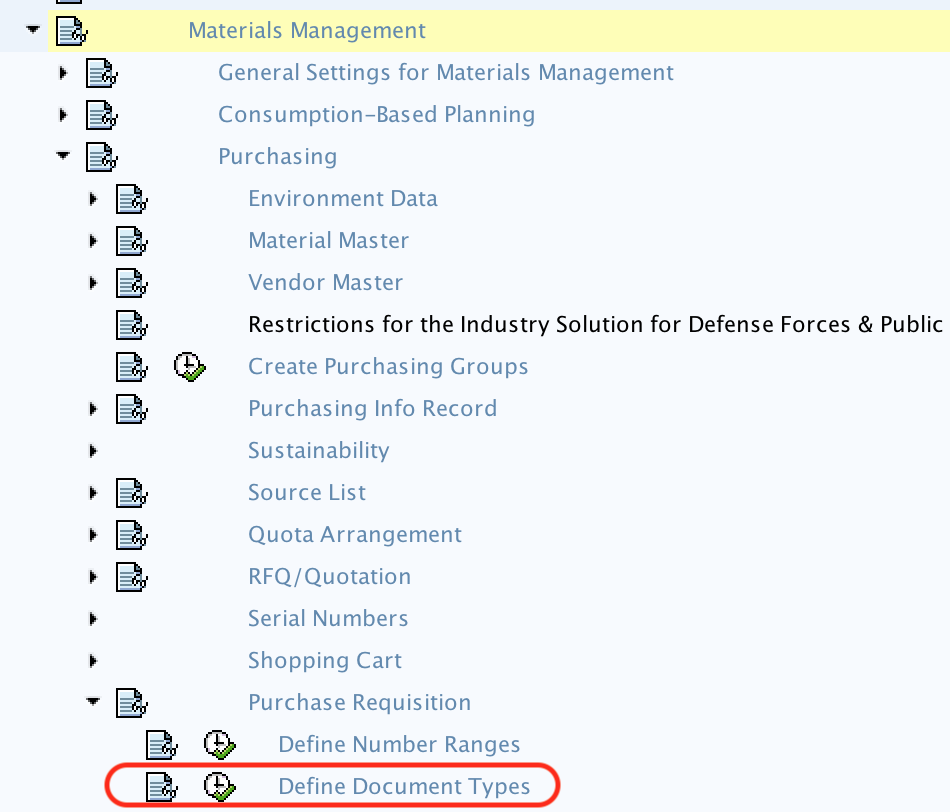
| Menu Path | IMG > Materials Management > Purchasing > Purchase Requisition > Define Document Types |
Before Creating a New Purchase Requisition Document Type
Before you create a new purchase requisition document type, review the settings that depend on it. This avoids configuration gaps after the document type is moved to testing or production.
- Confirm the internal number range interval for the new PR document type.
- Decide whether external number assignment is required for your business process.
- Identify the item categories that should be allowed for the PR, such as standard, subcontracting, consignment, stock transfer, or service-related procurement.
- Check whether the new PR document type should be relevant for a release strategy or flexible workflow process in your system design.
- Review the follow-on purchasing document types that users should be able to create from this PR type.
- Use a clear two-character or four-character key that fits your naming convention and is easy to identify in reports.
Step-by-Step SAP MM Configuration for PR Document Type
The following steps show how to define a custom purchase requisition document type by copying the standard PR document type NB. In this example, the new document type is shown as RMPR. You can replace it with the document type key required for your organization.
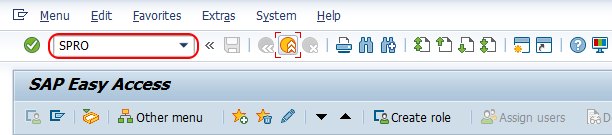
Step 1: Execute transaction code SPRO in the command field from the SAP Easy Access screen.
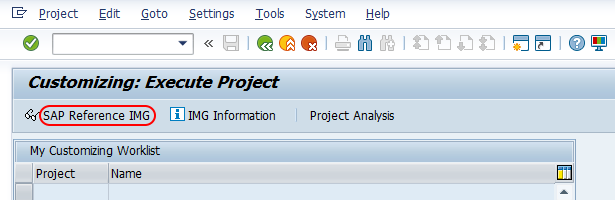
Step 2: Choose SAP Reference IMG to open the implementation guide.
Step 3: Follow the IMG navigation path and execute the activity Define Document Types under Purchase Requisition.
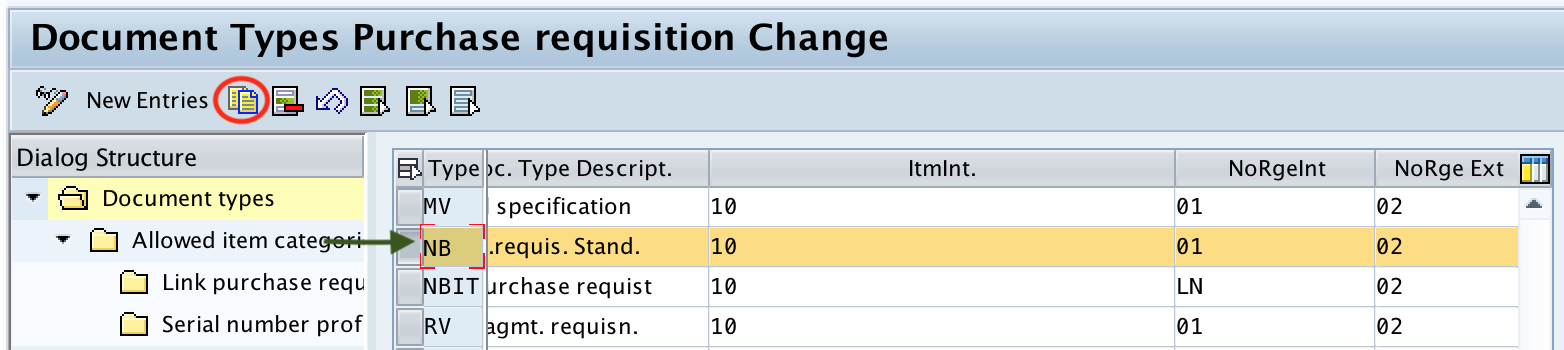
Step 4: On the Document Types: Purchase Requisition overview screen, create the new document type either by using New Entries or by copying an existing document type. Copying standard document type NB is usually preferred because dependent settings can be copied and adjusted instead of being created manually.
Choose standard document type “NB” and then click on copy as option.
Step 5: In the copied entry, update the details for the new purchase requisition document type.
- Type: Rename the copied document type NB to the new document type key required by your organization.
- Document type description: Enter a clear description for the purchase requisition document type, for example Raw Material PR, Service PR, or Project PR.
- Item Interval: Defines the increment for PR line item numbers. If the item interval is 10, item numbers are created as 10, 20, 30, 40, and so on. If the item interval is 1, item numbers are created as 1, 2, 3, 4, and so on.
- NoRgeInt: Update the number range interval for purchase requisition for internal number assignment.
- NoRge Ext: Update the number range interval key for external number assignment, only if external purchase requisition numbering is required.
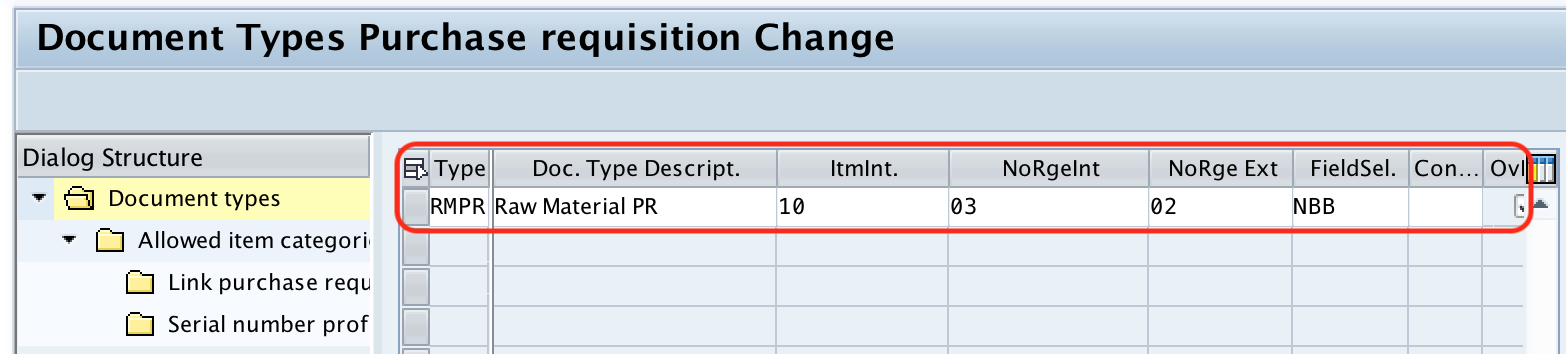
After maintaining all the required details, press Enter to continue.
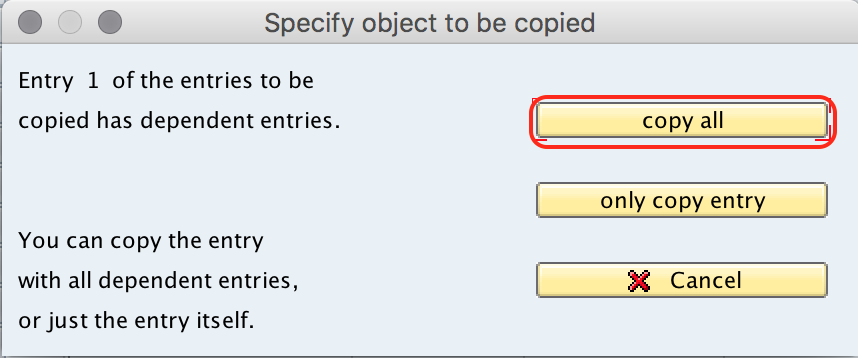
Step 6: Click on Copy All to copy the dependent entries from old document type NB to the new document type RMPR.
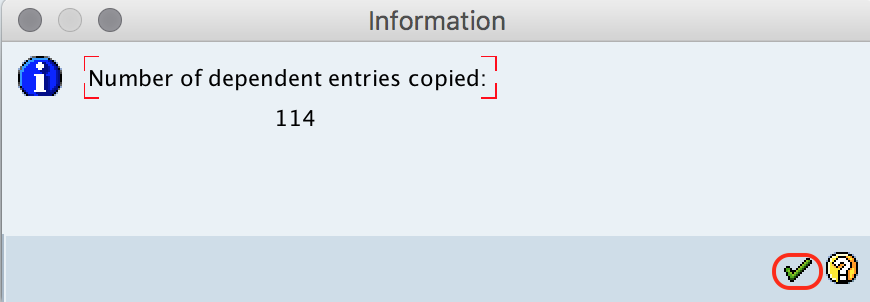
The system displays a message such as Number of dependent entries copied. This confirms that related settings, such as item category and linkage entries, have been copied from the source document type.
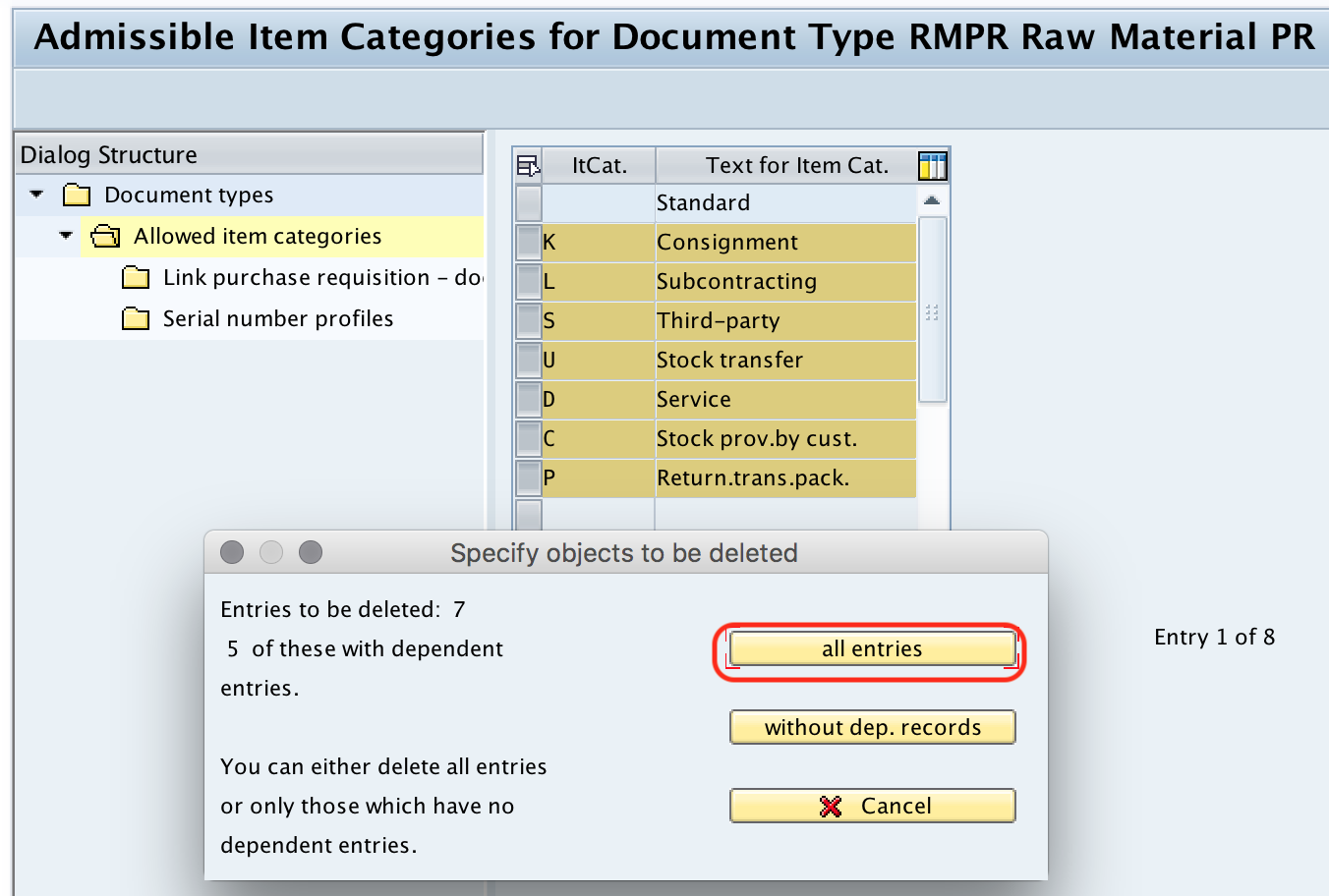
Step 7: Select the document type RMPR and double click on Allowed Item Categories under Document Types.

Step 8: Choose only the required item categories for this purchase requisition document type and delete unwanted entries. Item categories define the type of procurement or processing behavior allowed for a PR item. For example, a stock transfer requisition should not allow the same item categories as a service requisition unless the business process requires it.
After you choose an item category for deletion, click the delete option and choose all entries option when the system asks how the selected dependent entries should be handled.
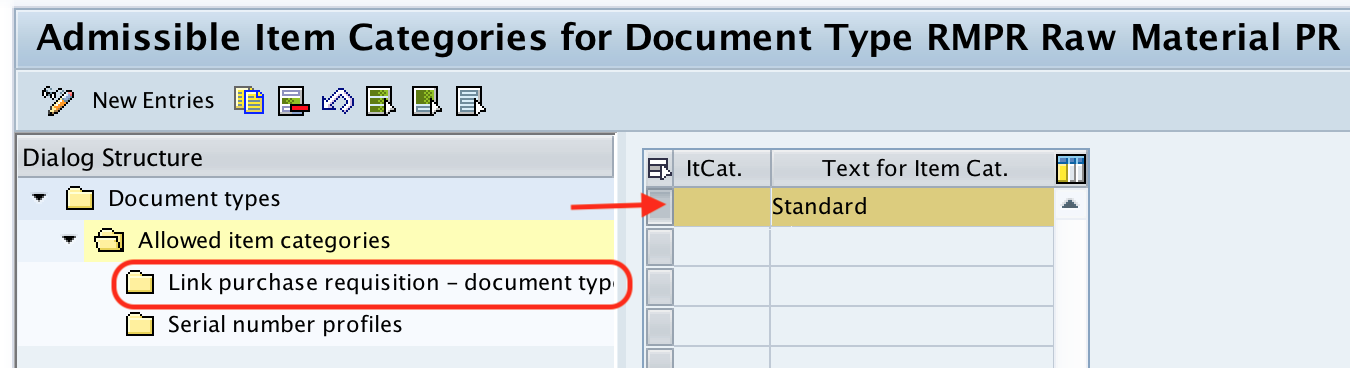
Step 9: Choose the item category and double click on Link Purchase Requisition – Document Type.
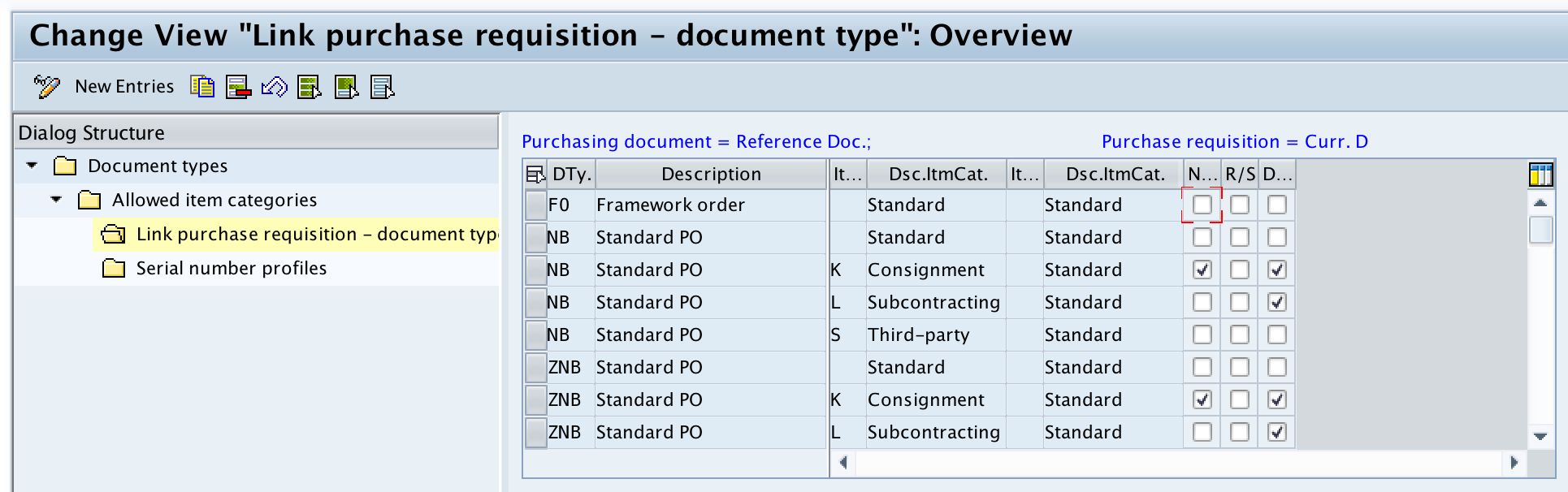
Step 10: Link the purchase requisition item category to the required follow-on purchasing document type and save the configuration. This setting helps determine which purchasing document type can be created from the PR for that item category.
After saving, the new purchase requisition document type is available for testing in the relevant PR creation transactions, depending on your system version and procurement process.
NB, RMPR, and UB Purchase Requisition Document Type Usage
The standard document type NB is commonly used for normal purchase requisitions. A custom document type such as RMPR can be used when the organization wants separate controls, reports, release strategies, or follow-on document behavior for a particular procurement process.
For stock transfer scenarios, document type UB is generally associated with stock transport processes, while NB is used for standard external procurement. The exact use depends on how plants, company codes, supplying locations, item categories, and follow-on documents are configured in the SAP system.
Testing the New PR Document Type After Configuration
After defining the purchase requisition document type, test the configuration before moving it to production. Create a test purchase requisition with the new document type and verify the item numbering, allowed item categories, field behavior, number assignment, release procedure, and follow-on document creation.
- Create a PR with the new document type and confirm that the number range is assigned correctly.
- Add multiple line items and check whether the item interval works as expected.
- Try allowed and non-allowed item categories to confirm that the restriction is working.
- Check whether mandatory and optional fields appear as expected based on field selection settings.
- Convert the PR to the intended follow-on purchasing document and confirm the document type linkage.
- Trigger the approval process, if release strategy or workflow is part of the requirement.
Common Configuration Issues in PR Document Types
| Issue | Likely Cause | What to Check |
|---|---|---|
| Purchase requisition number is not assigned | Missing or incorrect number range interval | Check internal and external number range assignments for the PR document type. |
| Item category is not available in PR | Item category not allowed for the document type | Review the Allowed Item Categories settings for the new PR type. |
| Follow-on document cannot be created | PR-to-document-type linkage is missing | Check Link Purchase Requisition – Document Type for the relevant item category. |
| Unexpected mandatory fields appear | Field selection settings are not aligned | Review field selection control assigned to the purchase requisition process. |
| Approval does not trigger | Release strategy or workflow condition does not include the new document type | Update the release or workflow configuration according to the business rule. |
Purchase Requisition Document Type Editorial QA Checklist
- Confirm that the tutorial uses the correct SAP IMG path for defining purchase requisition document types.
- Verify that the difference between standard document type NB and custom PR document types is explained clearly.
- Check that number range, item interval, allowed item categories, and PR-to-document-type linkage are covered.
- Make sure the example document type RMPR is presented as an example and not as a mandatory SAP standard key.
- Confirm that screenshots, existing internal links, and SAP MM terminology remain consistent with the configuration steps.
FAQs on Defining Document Types for Purchase Requisition in SAP MM
How do I define a document type for purchase requisition in SAP MM?
Use transaction code SPRO and follow the IMG path: Materials Management > Purchasing > Purchase Requisition > Define Document Types. Copy an existing document type such as NB, change the document type key and description, assign the number range, maintain allowed item categories, and save the configuration.
Why is number range assignment required for a PR document type?
The number range controls how purchase requisition numbers are assigned. If a valid internal or external number range is not assigned to the document type, the system cannot create PR numbers correctly.
What is the use of item interval in purchase requisition document type?
The item interval controls the numbering sequence for PR line items. An interval of 10 creates item numbers such as 10, 20, and 30, while an interval of 1 creates item numbers such as 1, 2, and 3.
Can I create a purchase requisition document type without copying NB?
Yes, you can use New Entries to create a document type manually. However, copying NB is often safer because dependent settings can be copied first and then adjusted according to the required procurement process.
What is the difference between NB and UB in SAP purchasing document types?
NB is commonly used for standard procurement, while UB is generally associated with stock transport or stock transfer processes. The final behavior depends on the item category, supplying plant, receiving plant, and follow-on document configuration in your SAP system.
Conclusion: SAP MM Purchase Requisition Document Type Configuration
Successfully we have defined document types for purchase requisition in SAP MM module. After configuration, always test the new PR document type by creating a purchase requisition, checking number assignment, validating item categories, and confirming that the correct follow-on purchasing document can be created.