 TutorialKart.com
In this SAP HR tutorial, you will learn what employee attributes are, where they are used in Personnel Administration, and how to define employee attributes in SAP Customizing. Employee attributes help SAP classify an employee subgroup for activity status, employment status, and training status so that HR master data and payroll-related processes can treat employees correctly.
What are employee attributes in SAP HR?
Employee attributes in SAP HR are grouping values assigned to employee subgroups. They describe whether a person is active or retired, whether the person is hourly paid or salaried, and whether the person is a trainee or trained employee. These attributes are part of the Personnel Administration configuration and are connected with organizational assignment data used in HR master data.
Employee attributes are divided into three types of categories, i.e.
- Activity status
- Employment Status
- Training Status
Activity status : – Activity status specifies an employee position in an organization.
- Active employee
- Retiree
- Early retiree
- Part time worker for retirees
- Others
Employment status : – Employment status specifies the frequency of paying period for an employee.
- Worker (Hourly paid)
- Salaried employee
- Other
Training Status : – Training status specifies the status of an employee training.
- Trainee/Apprentice
- Trained
- Other
Where employee attributes are used in SAP HCM
Employee attributes are not entered directly for every employee as a free text field. They are configured against an employee subgroup grouping. When an employee is hired or maintained in SAP HR, the employee group and employee subgroup from Organizational Assignment help determine how the person is treated in HR processes.
For example, an employee subgroup for salaried employees can be assigned attributes that represent active employment, salaried employment, and trained status. A trainee subgroup can use a different training status. This configuration supports consistent classification of employee records instead of maintaining the same meaning separately for each employee.
Employee attributes and Organizational Assignment Infotype 0001
In SAP HR, employee organizational details are commonly maintained in Organizational Assignment, also known as Infotype 0001. This is where the employee belongs to a personnel area, personnel subarea, employee group, employee subgroup, position, job, and related organizational structures. Employee attributes configured for the employee subgroup support this classification in Personnel Administration and related processes.
For day-to-day HR master data work, users commonly display employee master data with PA20 and maintain employee master data with PA30. The employee attributes configuration itself is done in Customizing through SPRO or the related IMG activity.
How to Define Employee Attributes in SAP
Refer below step by step configurations for defining new employee attributes in SAP system.
Navigation
| SAP R/3 Role Menu | Define employee attributes in SAP |
| Transaction Code | S_AHR_61011473 |
| SAP Path | SPRO (Tcode) > Display SAP Reference IMG > Personnel Management > Personnel Administration > Organizational data > Organizational assignment > Define employee attributes. |
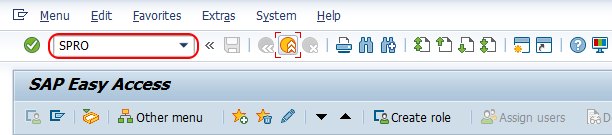
Step 1 : – Execute tcode “SPRO” from sap command field.
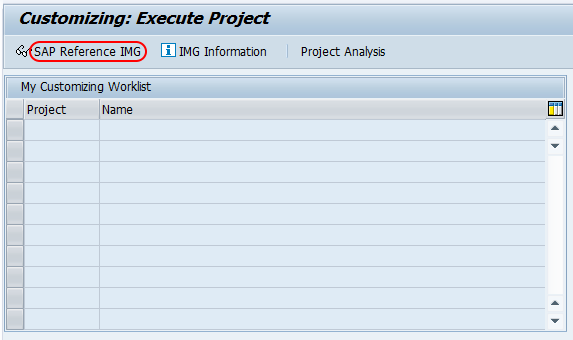
Step 2 : – Choose sap reference img.
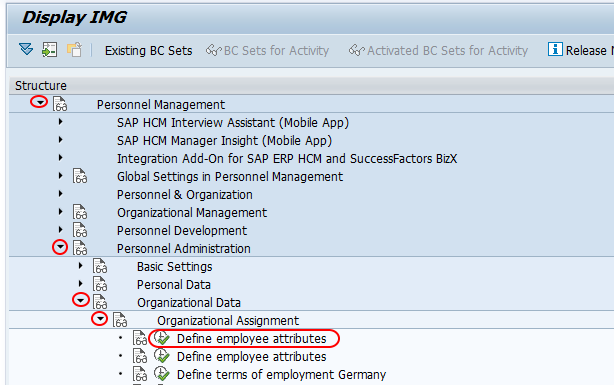
Step 3 : – From display img screen, follow the navigation path PM > PA > Organizational data > Organizational assignment and click on img activity “define employee attributes”.
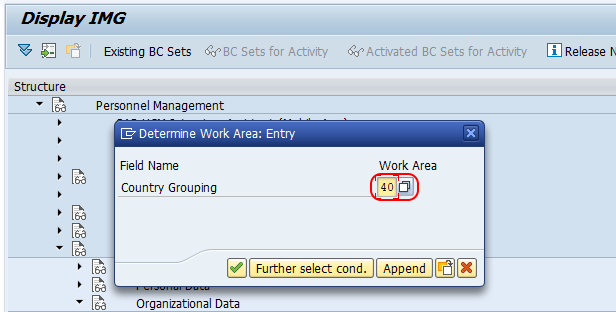
Step 4 : – From determine work area entry screen, update the country grouping key as 40 (which we have maintained user parameters in SAP). Press enter to continue.
Step 5 : – On change view “Employee subgroup grouping f.activities/ Employment/ Training screen, update the following details.
- Activity status : – Update the relevant data for activity status i.e. 1 (Active employees).
- Employment status : – Update the relevant key for employment status i.e. 2 (salary employees)
- Training status : – Update the relevant key for training status i.e. 2 (Trained).
Check here for more details of possible entries for employment status, activity status and training status.
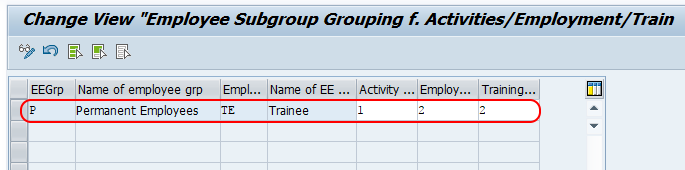
After maintaining all the required details, click on save button and save the configured details in SAP system.
Successfully we have defined employee attributes in SAP HR.
Employee attribute values in SAP HR configuration
The values selected in the employee attributes screen must match the business meaning of the employee subgroup. The following table explains the three fields in a practical way.
| Employee attribute field | Meaning in SAP HR | Example usage |
|---|---|---|
| Activity status | Defines whether the person is active, retired, early retired, or belongs to another activity category. | Use active employee for regular employees who are currently working. |
| Employment status | Defines the employment type from a pay and work classification perspective. | Use worker for hourly paid employees and salaried employee for monthly or fixed salary employees. |
| Training status | Defines whether the employee subgroup represents trainee, apprentice, trained employee, or another training category. | Use trainee or apprentice for employee subgroups created for training programs. |
Do not assign these values randomly. If the wrong employment status is assigned to an employee subgroup, downstream HR reporting, payroll checks, or employee classification logic may give incorrect results. Always confirm the meaning with the HR process owner before saving configuration in a productive client.
Display and maintain employee master data after attribute configuration
After employee attributes are configured, HR users can review how employee subgroup assignments appear in employee master data. The most common SAP HR transaction codes used around this area are PA20 and PA30.
| SAP HR transaction code | Purpose | When to use it |
|---|---|---|
| PA20 | Display HR Master Data | Use it to view employee details in read-only mode. |
| PA30 | Maintain HR Master Data | Use it to create, change, or delimit employee infotype records when you have authorization. |
| SPRO | Customizing / IMG configuration | Use it to configure employee attributes and other SAP HR settings. |
| S_AHR_61011473 | IMG activity for defining employee attributes | Use it as a direct access transaction for this configuration activity. |
For master data maintenance, check Organizational Assignment Infotype 0001 because it contains employee group and employee subgroup information. For configuration, continue to use SPRO or the direct IMG transaction because employee attributes are customizing settings, not ordinary employee master data fields.
SAP employee attributes configuration checks before saving
Before saving employee attribute configuration, review the setup carefully. Small mistakes in employee subgroup grouping can affect many employee records that use the same subgroup.
- Confirm the correct country grouping before maintaining the employee attributes.
- Check whether the employee subgroup represents active employees, retirees, trainees, hourly workers, salaried employees, or another category.
- Use activity status, employment status, and training status values that match the employee subgroup definition.
- Confirm that HR, payroll, and reporting teams use the same meaning for the employee subgroup.
- Test the configuration in a development or quality client before moving it to production.
- Record the customizing request number so the change can be transported and tracked.
- After configuration, verify a sample employee record in PA20 or PA30 using Organizational Assignment Infotype 0001.
Common mistakes while defining employee attributes in SAP
When configuring employee attributes in SAP HR, the most common issue is choosing a value based only on the text shown in the screen without checking how the employee subgroup is used in the organization. For example, a trainee subgroup should not be configured as a trained employee unless the business process specifically requires it.
- Using the wrong country grouping: The work area must match the country grouping for which the employee subgroup configuration is required.
- Confusing employee group and employee subgroup: Employee attributes are assigned at the employee subgroup grouping level, so check the exact grouping before saving.
- Skipping testing in PA20 or PA30: After configuration, verify sample records to confirm that employee classification behaves as expected.
- Maintaining values without payroll review: Employment status may influence payroll-related interpretation, so involve the payroll owner where required.
- Not documenting the change: Record the reason for the configuration and the transport request for later audit or support work.
Employee attributes in SAP HR FAQs
What are employee attributes in SAP HR?
Employee attributes in SAP HR are configuration values that classify employee subgroups by activity status, employment status, and training status. They help SAP identify whether an employee subgroup represents active employees, retirees, hourly workers, salaried employees, trainees, trained employees, or other categories.
What is the transaction code to define employee attributes in SAP?
The direct transaction code shown for defining employee attributes is S_AHR_61011473. You can also access the activity through SPRO > Display SAP Reference IMG > Personnel Management > Personnel Administration > Organizational data > Organizational assignment > Define employee attributes.
What is Infotype 0001 in SAP HR?
Infotype 0001 is Organizational Assignment in SAP HR. It stores important assignment details such as personnel area, personnel subarea, employee group, employee subgroup, position, job, and organizational unit. Employee attribute configuration is related to how employee subgroups are classified.
What is PA30 used for in SAP HR?
PA30 is used to maintain HR master data. HR users with the required authorization can create, change, copy, delimit, or display employee infotype records. It is used for employee data maintenance, while employee attributes are configured through Customizing.
What is the difference between PA20 and PA30 in SAP HR?
PA20 is used to display HR master data in read-only mode. PA30 is used to maintain HR master data, including creating or changing employee infotype records when the user has authorization. For configuration such as employee attributes, use SPRO or the relevant IMG transaction.