 TutorialKart.com
In this SAP FICO Tutorial, you will learn what an asset class is in SAP Asset Accounting and how to create asset classes in SAP system by using transaction code OAOA.
An asset class is a core configuration object in SAP FI-AA because every fixed asset master record must belong to one asset class. The asset class controls how similar assets are grouped, which number range is used, which account determination key is assigned, and which fields appear in the asset master.
What is Asset Class in SAP Asset Accounting?
In SAP, Asset classes are used to classify fixed assets in asset accounting according to asset type and accounting behavior. Common examples are Buildings, Vehicles, Furniture, Computers, Plant and Machinery, and Assets under Construction. Asset classes are defined at SAP client level and are then used when creating asset master records for company codes.
For example, if your organization purchases laptops, those assets can be created under an asset class such as Computers or Office Equipment. If the organization purchases delivery vans, those assets can be created under an asset class such as Vehicles. This grouping keeps fixed asset reporting, depreciation control, and general ledger integration consistent.
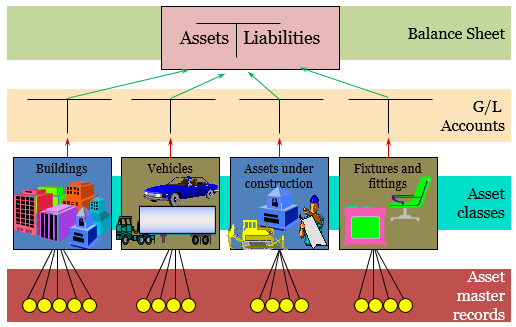
Key Settings Controlled by an Asset Class in SAP
Before creating a new asset class in SAP, it is important to understand what the asset class controls. The values maintained here affect all asset master records created under that class.
- Asset class key: Unique identifier for the asset class, such as a numeric or alphanumeric key used in SAP configuration.
- Description: Short text and long text that help users identify the purpose of the asset class.
- Account determination: Links the asset class to the required general ledger accounts through account determination.
- Screen layout rule: Controls which fields are required, optional, suppressed, or displayed when maintaining an asset master record.
- Number range: Determines how asset master numbers are assigned by using the assigned asset number range interval.
- Asset under construction control: Defines whether the asset class is used for normal assets or Assets under Construction, depending on the configuration requirement.
Asset Class Transaction Code and SAP IMG Path
You can create or maintain asset classes in SAP by using transaction code OAOA. You can also access the same configuration activity through the SAP IMG menu path.
Transaction code: – OAOA
SAP IMG Path: – SPRO > SAP Reference IMG > Financial Accounting > Asset Accounting > Organizational structure > Asset classes > Define Asset classes.
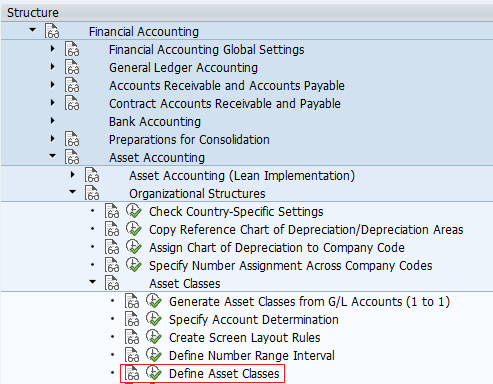
Prerequisites Before Creating Asset Classes in SAP
Asset class configuration works best when the dependent FI-AA settings are already available. Before you create a new asset class, check the following configuration objects.
- Chart of depreciation: The relevant chart of depreciation should be assigned to the company code.
- Account determination key: The account determination key should be available for the asset category you are configuring.
- Screen layout rule: The required screen layout rule should be created or identified.
- Number range interval: The number range should be maintained for asset master creation.
- Depreciation area settings: The asset accounting setup should be ready for the relevant company code and depreciation areas.
How to Create New Asset Classes in SAP Using OAOA
In this SAP FICO training tutorial, you will learn how to configure a new asset class in SAP step by step using transaction code OAOA. In our previous SAP tutorials, we have learned how to maintain number range intervals for assets in SAP.
The creation of asset class in SAP involves the following configuration steps.
Step 1: Open Asset Class Configuration with Transaction Code OAOA
Step 1: – Enter tcode OAOA in the SAP command field and press enter.
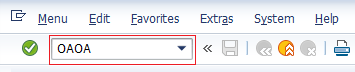
Step 2: Choose New Entries in the Asset Classes Overview Screen
Step 2: – On change view asset classes overview screen, click on new entries button for creation of new asset classes in SAP.
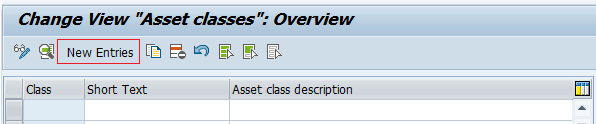
Step 3: Maintain Asset Class Details, Account Determination, and Number Assignment
Step 3: – On new entries asset class screen, update the following details.
- Asset Class: – Enter the key that identifies the asset class in the SAP asset accounting.
- Short text: – Enter the short text of an asset class.
- Asset Type: – Under asset type, update the account determination key and screen layout rule key in the given fields.
- Number Assignment – Update the asset number range interval key in the given field for assignment of number range to asset classes. If you want maintain sub number externally select the check box or leave external check box.
- Select the No auc or summary management of Auc for all asset classes.
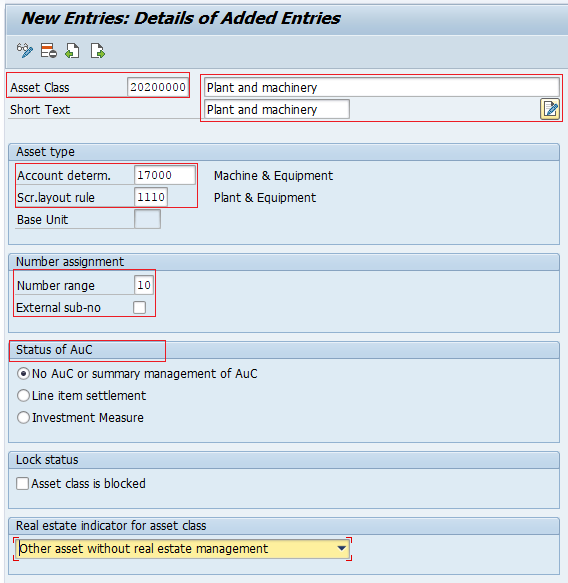
After maintaining all the required details, click on save button and save the configured details.
Successfully we have created new asset classes in SAP.
Example Asset Class Setup in SAP FI-AA
The exact asset class key and description depend on the organization’s configuration standards. The following example shows how a company may group fixed assets for accounting and reporting.
| Asset Class Example | Typical Use | Control Setting to Check |
|---|---|---|
| Buildings | Factory buildings, office buildings, warehouses | Account determination and depreciation keys |
| Vehicles | Cars, trucks, delivery vans | Number range and screen layout fields |
| Furniture and Fixtures | Office chairs, tables, cabinets | Capitalization date and cost center fields |
| Computers | Laptops, desktops, servers | Useful life and depreciation settings |
| Assets under Construction | Capital projects not yet completed | AuC management indicator and settlement process |
Important Checks After Creating an Asset Class in SAP
Creating the asset class is only one part of the configuration. After saving it, perform these checks before users start creating asset masters under the new class.
- Create a test asset master using the new asset class and check whether the required fields appear correctly.
- Verify that the assigned number range generates the asset number as expected.
- Check whether the correct account determination key is assigned for balance sheet and depreciation postings.
- Confirm that the screen layout rule matches the business requirement for mandatory and optional fields.
- If the class is for Assets under Construction, test the AuC process and settlement requirement separately.
Common Asset Class Configuration Mistakes in SAP
When configuring asset classes, small mistakes can affect asset master creation and accounting postings. The following issues are common during SAP FI-AA configuration.
- Wrong account determination: If the wrong key is used, asset acquisition or depreciation postings may hit the wrong general ledger accounts.
- Missing number range: Users may not be able to create asset master records if number assignment is not maintained correctly.
- Incorrect screen layout: Important asset master fields may be hidden or optional when they should be required.
- Using one asset class for too many asset types: This can make fixed asset reporting and reconciliation difficult.
- Wrong AuC setting: Normal fixed assets and Assets under Construction should be controlled according to their business process.
Asset Class in SAP: Quick Reference
| Configuration object | Asset Class |
| Main transaction code | OAOA |
| Used in module | SAP FI-AA Asset Accounting |
| Main purpose | Classify fixed assets and control asset master settings |
| Required for asset master? | Yes, every asset master must be assigned to an asset class |
| Major controls | Account determination, number range, screen layout, AuC settings |
FAQs on Asset Classes in SAP
What are asset classes in SAP?
Asset classes in SAP are configuration objects used to group fixed assets by type and accounting treatment. They control important settings such as account determination, screen layout, number range, and Asset under Construction behavior.
What is the transaction code for asset classes in SAP?
The transaction code for defining and maintaining asset classes in SAP is OAOA. You can also reach this activity from SPRO through the Asset Accounting organizational structure configuration path.
Is an asset class mandatory when creating an asset master in SAP?
Yes. Every asset master record in SAP Asset Accounting must be assigned to an asset class. The selected asset class determines several control values for the asset master.
Can one number range be assigned to multiple asset classes?
Yes, depending on the organization’s configuration design, the same number range can be assigned to multiple asset classes. However, many companies use separate number ranges when they need clearer identification and reporting by asset category.
What should be checked after creating an asset class in SAP?
After creating an asset class, check the account determination key, screen layout rule, number range assignment, AuC setting, and test asset master creation. This helps confirm that the asset class is ready for business use.
Editorial QA Checklist for SAP Asset Class Tutorial
- Confirm that transaction code OAOA and the SAP IMG path are shown correctly.
- Verify that the explanation distinguishes asset class, asset master, account determination, and number range clearly.
- Check that the steps cover new entries, asset class key, short text, asset type, number assignment, and save action.
- Make sure Asset under Construction settings are not described as mandatory for every normal asset class.
- Review all internal links related to SAP FI-AA, account determination, screen layout rules, and number ranges.